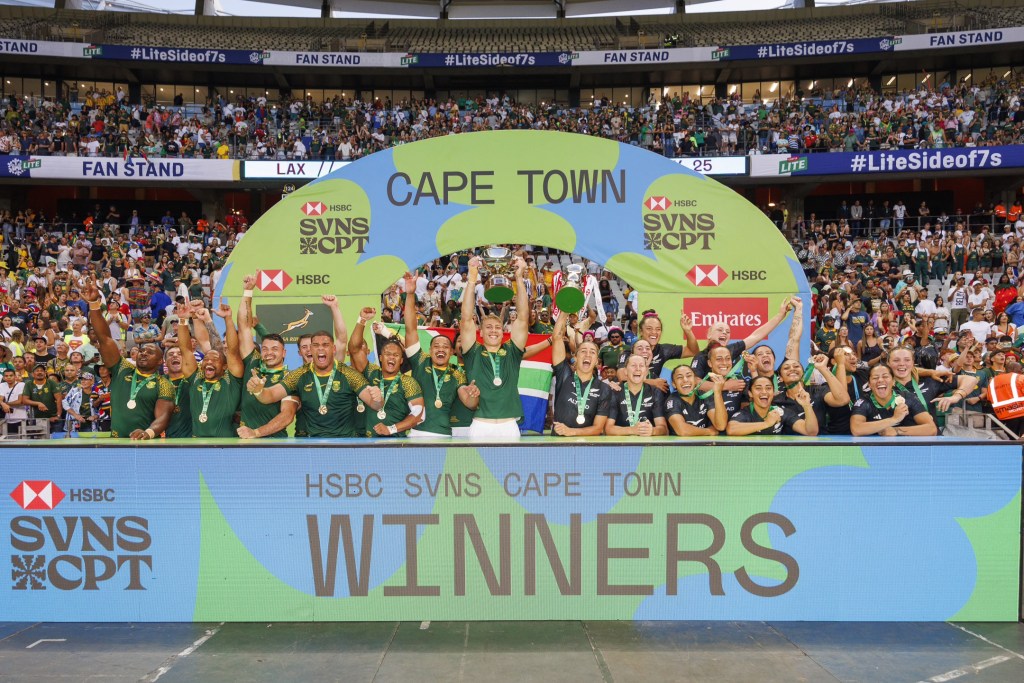
It is the dawn of a new era as the 2025/2026 World Rugby Sevens World Series kicks off in Dubai on November 28, 2025.
A revamped competition will see a three-tier format with 13 tournaments over five months in different cities with four new venues. At the end of the 2024/2025 season, World Rugby dropped a bombshell by sneaking in the ‘new format’ before the last tournament in May in Los Angeles, USA.
The unveiling of an ‘elite’ eight-team format in LA was met with mixed feelings where various team officials, players, and affiliates posed tough questions to the World governing body. Their concern was a sudden change in the structure before the last tournament where the tune was changed without proper consultations.
Different Format
Instead of a promotion/relegation competition for the top tier, World Rugby decided on a different format where the top eighth teams directly qualified for the championship with the lower four – in the then 12 format structure – automatically relegated to the second tier to join the top four qualifiers in the then Challenger Series.
Before the tune was changed, four teams that finished at the bottom of the log in the top-tier 12 teams were supposed to play in a promotion/relegation category involving the top four teams in the lower division Challenger Series. Some of the teams that were vocal about the change were Kenya, USA, Uruguay, and Ireland who competed in what was supposed to be the path to promotion to the 12-tier format.
Necessary Change
World Rugby stood their ground and enforced the ‘unpopular’ change which they explained was taken to manage financial implications. The introduction of the Championship in Madrid, Spain in 2024 was significant because it phased out another high profile competition, Rugby World Cup Sevens. Almost at the same time, 7s rugby was also dropped from the Commonwealth Games.
Although the changes were necessitated by a new direction World Rugby saw as progressive following the re-introduction of the game to the Olympics in 2016, most rugby pundits held a different opinion. This was especially after World Rugby reduced the number of teams from 16 to 12 by explaining parity was needed to embrace both genders.
With the reduction came another change where in the back-to-back competitions, the format of the second tournament would see a direct qualification to the cup semi-finals bypassing the quarters played in the previous tournament. The reasoning here was the player’s welfare.
Kick Off
It is at the background of these changes that the first tournament kicks off in Dubai in what World Rugby stated is a facelift for the competition to ensure it is all inclusive with three divisions, 13 tournaments and 48 teams.
Although the changes have been marketed by World Rugby as progressive, the rugby fraternity claim the intention is to create and protect some of the powerful rugby Unions by ensuring they have an elite competition. The thinking behind this is some unpredictable results where some of the second tier teams defied all odds by beating the top teams in competitions.
A good example is when Kenya defied all odds to win one of the Series in Singapore in 2016 and the emergence of countries like Spain, Uruguay, China and Japan who have also claimed major scalps of the ‘elite’ teams. Such results, despite their significance, were ominous signs that some of the top teams were vulnerable.
Championship Stage
The revamping that involves a multi-tiered and meritocratic format sees eight ‘elite’ teams in the top tier competing in six tournaments in Dubai, Cape Town, Singapore, Perth, Vancouver and New York. At the end of the circuit, the competition shall enter the Championship stage where four top teams in the second tier will join the fray for a possible climb to the elite top tier.
Three venues for the championship are Hong Kong, Valladolid (Spain) and Bordeaux (France). While the top tier competition will be traversing various cities, the second and third tier tournaments shall be played to determine qualifiers for the Championship.
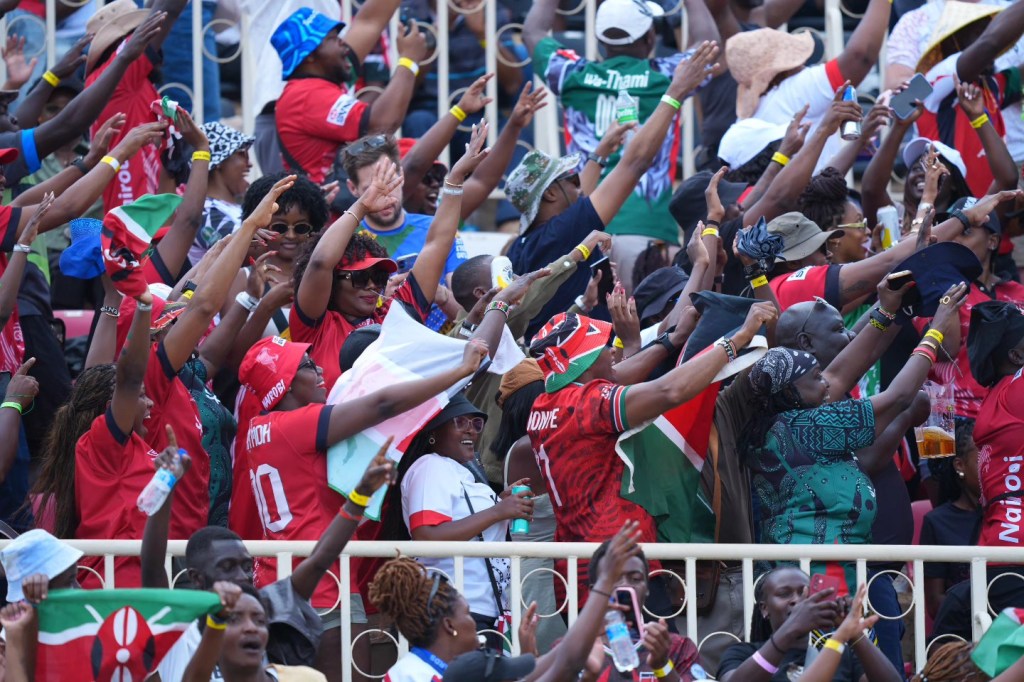
The Tier Three competition kicks off this process in January in Dubai where eight teams (men and women) shall battle it out to progress to the second tier competition that starts in February at a new venue, in Nairobi, Kenya in March.
Teams competing in the Third Tier competition in Dubai from January 17-18 are: Argentina, Colombia, Czechia, Mexico, Poland, Samoa, South Africa, Thailand (women) and Belgium, Canada, Colombia, Hong Kong China, Italy, Madagascar, Samoa, Tonga (men).
Quick Turn Around
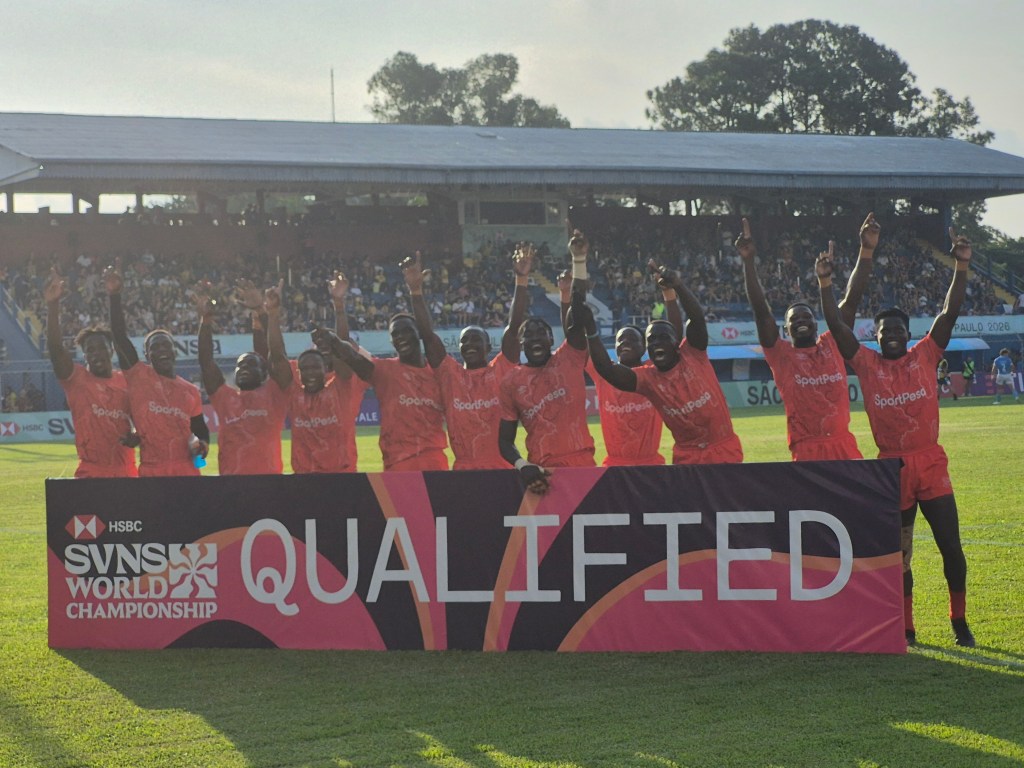
Barely after completing their assignments in Dubai, two top teams will head to Nairobi, Kenya for the start of a three-leg Tier Two competition that starts on February 14-15 before moving to the next two venues in South America – Montevideo (Uruguay) – March 21-22, and Sao Paulo (Brazil) from March 28-29.
Teams that have already qualified for the Tier Two competition are China, Kenya, Spain, Brazil (women), and Kenya, USA, Germany, and Uruguay (men).
After the penultimate round in Brazil, the top four teams (men and women) shall progress to the three-leg championship involving a total of 12 teams (eight from the Top Tier and Four each from Tier Two).
In summary, we have three divisions, 13 tournaments involving 48 teams playing over a period of five months. Eight teams (men and women) in the top tier play six tournaments, Tier Two three and Tier Three one. Two top teams in each category from Tier Three advance to Tier Two. Four top teams from Tier Two progress to the three-leg Championship stage to have a chance of advancing to the top tier that has eight teams in each category.


 Sports News Arena