Some key changes have been made to this year’s World Rugby Sevens World Series. The most notable one is a change in the format where in the back-to-back tournaments, there will be four pools of three teams each.
The winners of each pool proceed to the cup semi-finals, the second-placed team play in the fifth-eighth position play-off while the thor-placed teams compete in the ninth-12th playoffs.
According to those knowledgeable about the changes, the adjustments have been made to incorporate the welfare of the players. Already, it appears World Rugby dropped the three-day format from last season where there were matches on Friday, Saturday and Sunday.
Another significant change is the 45-second rule where a restart must be within the specified rule. After a try is scored, the kicker has up to 45 seconds to convert and restart in the mid-field. This rule which was implemented in Dubai surprised some of the teams.
Olympics format
The changes come close at the heels of the reduction of the 16-team format to 12 to conform with the Olympics format and the promotion/relegation tournament at the end of the regular season with the bottom four teams playing in a qualifier tournament featuring the top four teams in the second tier World Rugby Challenger Series.
It will be interesting to see the effect of the new changes in Cape Town this weekend. The stakes will be high with no room for any complacency. Abolishing the quarter finals is a bold move by World Rugby and there are lingering questions whether the Series is heading towards favoring some of the top teams that have the resources to maintain and contract players for their programs.
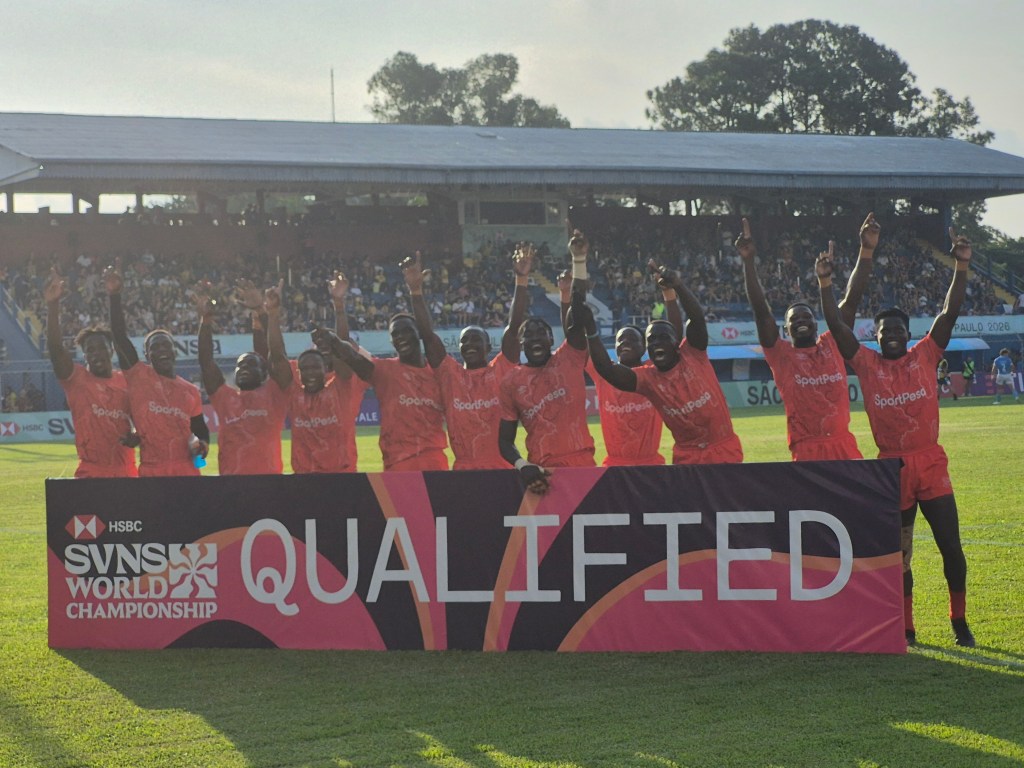
The must win situation also puts additional focus on officiating where the bounce of the ball or crucial decision could knock some of the teams out of the top positions. Historically, the 50/50 chance decisions have favored top tier teams at the expense of others such as Kenya who are returning as a core team after one year out and newly promoted Uruguay.
Players’ welfare
Brenden Nel, an experienced South African rugby journalist wrote that while the change in format factored players’ welfare and put pressure on teams to win, traveling fans may feel they have been short changed. He gave an example of hosts South Africa who are likely to play two matches on the opening day and a maximum of two on the second day.
What it means is that depending on the performance of the hosts, the number of fans returning on the second day shall depend on whether the hosts have advanced tto the semi-final or not. This also brings into focus decisions on officiating which could cost any of the teams a place in the final four.
The Sports News Arena unsuccessfully contacted the Kenya team before they left Dubai and also while in Cape Town to comment on the changes. It will be interesting to see how the new format unfolds in Cape Town on Saturday.
Kenya’s Shujaa have been drawn in Pool B with Spain and Australia while South Africa are in Pool D with Argentina and Ireland.
World Rugby Sevens World Series Cape Town pools
Women:
Pool A: Australia, Canada, Brazil
Pool B: New Zealand, Japan, China
Pool C: France, Ireland, Spain
Pool D: Great Britain, USA, Fiji
Men:
Pool A: Fiji, Great Britain, Uruguay
Pool B: Spain, Australia, Kenya
Pool C: Argentina, South Africa, Ireland
Pool D: New Zealand, France, USA
Cape Town pool fixtures – Saturday, 7 December:
Women:
09h00: USA v Fiji
09h22: Ireland v Spain
09h44: Japan v China
10h06: Canada v Brazil
12h16: Great Britain v Fiji
12h38: France v Spain
13h00: New Zealand v China
13h22: Australia v Brazil
15h42: Great Britain v USA
16h04: France v Ireland
16h26: New Zealand v Japan
16h48: Australia v Canada
Men:
10h38: France v USA
11h00: Australia v Kenya
11h22: Great Britain v Uruguay
11h44: South Africa v Ireland
13h54: New Zealand v USA
14h16: Spain v Kenya
14h38: Fiji v Uruguay
15h00: Argentina v Ireland
17h35: New Zealand v France
17h57: Spain v Australia
18h19: Fiji v Great Britain
18h41: Argentina v South Africa



 Sports News Arena